

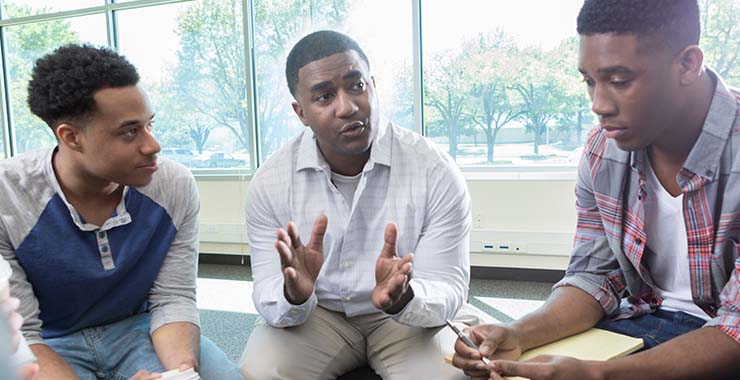
Every week, studies have shown that up to 84 men take their own lives. It’s a staggering and heartbreaking number that highlights a crisis often overlooked. With men accounting for 75% of all suicides and only 25% reportedly living with a diagnosed mental illness, the discrepancy speaks volumes: sadly, men are suffering in silence, and society is failing to hear their cry.
The Unseen Weight of Masculinity
From a young age, boys are taught to “man up,” to suppress their emotions, and to never show weakness. Phrases like “boys don’t cry,” “be strong,” and “deal with it like a man” are not just harmless idioms but are seeds of silence planted early, growing into adulthood where
vulnerability is mistaken for weakness. Crazy right? Well, not in most African households if not all.
This emotional repression isn’t just about cultural bravado. It’s systemic. In classrooms, young boys struggling with anxiety or trauma often get labeled as “disruptive” or “unmotivated.” In workplaces, emotional transparency among men is seen as unprofessional. In relationships, expressing too much sensitivity can be misinterpreted as instability. Society has handed men a script that equates stoicism with strength, and deviation from that script often leads to isolation, shame, or ridicule.
Societal Norms Fueling the Rift
1. Toxic Masculinity: The idea that “real men” don’t struggle emotionally creates a dangerous pressure cooker. Men are expected to be providers, protectors, and problem-solvers, roles that leave little room for vulnerability.
2. Lack of Emotional Education: Unlike girls, who are often encouraged to talk about their
feelings, boys rarely receive the tools to understand or express their emotions. By adulthood, many have no vocabulary for what they feel, let alone the ability to seek help.
3. Judgment and Shame: When men do seek support, they're often met with judgment, not just from society but from within. The internalized shame of not being “man enough” keeps many from opening up.
4. Digital Age Disconnect: Teen boys especially face the dual challenge of hyperconnectivity and emotional isolation. Social media promotes comparison, perfection, and the illusion that
everyone else has it together, a painful contrast for someone silently struggling.
5. Healthcare System Gaps: Mental health services are often not tailored to the unique ways men experience and express distress. There’s a need for more male-focused therapy spaces and outreach programs that meet them where they are, in workplaces, sports clubs, barber shops, even gaming platforms.
What We Can Do — Together
This isn’t just a “men’s issue,” it’s a human one. Mental health doesn’t discriminate, and healing begins with community. Here's what we need:
1. Normalize Conversations
Talk openly about mental health at the dinner table, in classrooms, in locker rooms, and on social media. The more we talk, the more we chip away at shame.
2. Redefine Strength
Let’s redefine strength not as the ability to endure silently, but as the courage to speak up, seek help, and support others.
3. Engage Men Differently
Awareness campaigns must be designed with men in mind, storytelling from male role models, peer-based support systems, and safe, informal spaces for open dialogue.
4. Educate Young Boys
We must raise emotionally literate boys. Schools and parents need to teach boys how to express themselves, name their feelings, and support their friends, just as we teach math or science.
5. Women as Allies
Women as mothers, sisters, partners, and friends play a critical role. By encouraging openness, validating emotions, and challenging stereotypes, women can help create a safe space for men to be themselves.
A Shared Human Fight
The boy who feels unheard in school, the teenage athlete pushing through silent anxiety, the man juggling financial burdens in silence, the elderly father hiding depression behind smiles they all carry stories that deserve space, support, and solutions.
Mental health isn’t a gendered issue. It's a human one. But for men, it's often clouded by outdated expectations, cultural stigma, and silent suffering.
Let’s rewrite the narrative. Let’s speak out — not just for the 84 men who take their lives every week, but for the countless others silently surviving.
Talking saves lives. Listening saves souls. And healing begins with us all.
If you or someone you know is struggling, reach out. A call, a message, or a conversation could be the bridge back to hope.